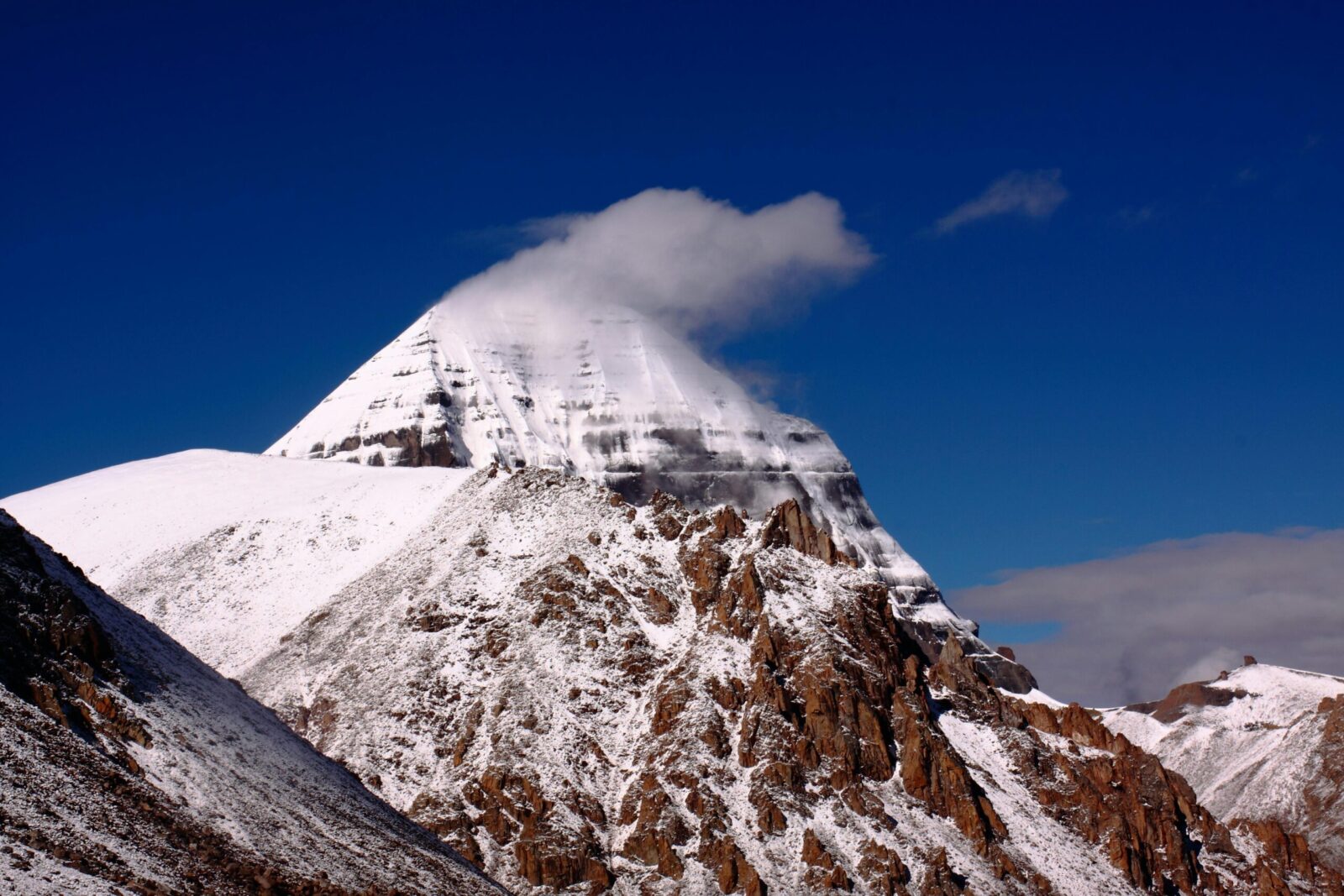
Travel to Tibet is unlike any other China trip. You’re heading onto the world’s highest plateau, through switchback mountain passes and valleys fringed with prayer flags, into a culture that still feels otherworldly. But it’s not a go-when-you-want sort of journey, permits, timing, and route choices matter. This guide walks you through exactly which permits you need, how to get them, and the most scenic routes from the mainland, so you can focus on jaw-dropping scenery instead of paperwork.
Who Can Go and What Permits You Need
Tibet Travel Permit: Who Needs It and What It Covers
If you hold a foreign passport (non–Mainland Chinese), you must have a Tibet Travel Permit (TTP) to enter the Tibet Autonomous Region (TAR). You can’t apply for it yourself: by regulation, you book a tour, private or small group, with a licensed Tibet travel agency. They obtain the TTP from the Tibet Tourism Bureau on your behalf.
What the TTP does: it authorizes entry into Lhasa and the core tourist areas your itinerary lists. With the TTP, you can board the train to Lhasa (a digital copy is often accepted) or a flight (original paper permit is required at check-in). Once in Tibet, you must travel with a registered guide and, outside Lhasa, use licensed transport.
Chinese visa note: you still need a valid China visa or residence permit in your passport before the agency can apply for the TTP. Tourist (L), business (M), student (X), and work (Z) visas can work: your agency will advise case by case.
Other Permits and Special Cases
Beyond the TTP, certain regions require additional paperwork that your agency arranges:
- Alien’s Travel Permit (PSB permit): for areas outside central Lhasa, common for Shigatse, Gyantse, Everest Base Camp (EBC/Tingri), parts of Nyingchi and Chamdo.
- Military Area Permit and/or Foreign Affairs Permit: for sensitive border regions, especially Ngari (Mt. Kailash, Lake Manasarovar), parts of Nyingchi near the Indian/Bhutan borders, and some sections of Chamdo.
- Frontier Pass (Border Defense Permit): for itineraries that approach international borders (e.g., EBC, Kailash).
If you’re a diplomat, journalist, or on certain NGO assignments, leisure travel may be restricted or require higher-level approvals, often not granted. Agencies typically can’t process TTPs for holders of diplomatic/journalist visas. Finally, expect short-term permit suspensions around politically sensitive dates (often in March).
How to Apply: Process, Timing, and Documents
Booking With a Licensed Tibet Agency
Your first move is choosing a licensed Tibet operator. You’ll confirm dates and a route, then your agency submits your permit application in Lhasa. Independent travel isn’t allowed: even if you’re an expat living in China, you still enter Tibet under an agency-arranged tour with a guide and documented itinerary.
A good agency will structure your route for acclimatization, handle checkpoint logistics, and deliver the original TTP to your mainland hotel or airport for flights. For trains, a scanned copy is usually enough, but policies can change, your agent will confirm before departure.
Required Documents and Lead Times
You’ll provide:
- Clear passport photo page scan
- Valid China visa/residence permit scan
- Occupation declaration (some professions draw extra scrutiny)
- Final travel dates and entry/exit points
Lead times: 15–20 days before entry is typical for Lhasa/Shigatse routes. If you’re heading to Kailash/Ngari or deep border regions, allow 25–30 days. During peak seasons (April–June and September–October), submit earlier when possible. If your China visa is still processing, coordinate sequencing so your agency gets everything in time to lodge the permit.
Where and When Permits Are Checked
- Mainland departure: Airports require the original TTP for flights into Lhasa. For trains, most stations accept a digital or paper copy at ticket check, some still ask for the original at boarding.
- Road checkpoints: You and your guide will show permits repeatedly as you move between prefectures and into restricted zones. Your guide handles this.
- Hotels in Tibet: Registration systems verify that your permits and itinerary match. Stays outside Lhasa require the right secondary permits, which your agency prearranges.
Choosing Your Route: Scenic Payoff Versus Difficulty
Before you lock in a route, weigh scenery against altitude and road conditions. The big picture:
- Sichuan–Tibet Highway (G318) is the most photogenic overland approach, with wild variance, deep gorges, glacier-fed lakes, and the Yarlung Tsangpo canyon country. It’s also the slowest and most landslide-prone in summer.
- Yunnan–Tibet via Shangri-La blends Tibetan culture with dramatic Mekong headwaters and snow peaks. Road quality has improved, but long driving days and multiple 4,000 m passes remain.
- Qinghai–Tibet Highway (G109) is higher but gentler in gradients, with open plateau scenery and wildlife. It’s the classic route for reliable road conditions.
- Rail from Xining is the easiest for acclimatization and weather resilience, and it’s iconic, oxygenated cabins, wildlife sightings, and a smooth ascent over the Tanggula Pass.
Seasons matter. April–June brings clear views and blooms in Nyingchi: July–August can mean rain and mudslides on G318: September–October is crisp with golden forests: winter skies are crystal but some passes glaze with ice. If you’re sensitive to altitude, stage nights lower (Xining, Nyingchi) before higher jumps to Lhasa and beyond.
Most Scenic Overland Routes From Mainland China
G318 South Line: Chengdu to Lhasa
If you’re chasing the most cinematic road trip in China, this is it. From Chengdu you climb through tea-green valleys to Kangding and the grasslands around Tagong, then crest high passes toward Litang’s yak-dotted plateaus. Crossing into Tibet at Markam, the road threads along the Nujiang and Yarlung Tsangpo watersheds. Highlights stack up quickly: Ranwu Lake’s mirror-blue water, Midui Glacier hanging like a frozen cascade, the switchbacks over Sejila Pass, and then Nyingchi’s forests and peach blossoms in spring. You roll west past Basum Tso and arrive in Lhasa with memory cards groaning.
It’s demanding: multiple 4,000–4,700 m passes, long driving days, and in the monsoon months, rockfall and washouts. Build slack days and avoid night driving. Your agency secures the PSB permit for sections beyond Lhasa and manages checkpoints between Chamdo, Nyingchi, and Lhasa.
G318 North Line: Kangding to Chamdo and Beyond
The north line peels off near Kangding through Ganzi and Dege, where monasteries cradle some of the finest Tibetan woodblock printing traditions. Past Dege, you drop into the Jinsha River valley and on toward Chamdo, then sweep across the high, wind-brushed plains toward Nagqu before descending to Lhasa. Compared with the south line, it’s starker, bigger skies, fewer trees, more raw plateau energy. It’s also higher on average and colder, which can help with summer rains but ups acclimatization demands.
Expect sparser services between towns and fewer accommodation choices than the south line. Permits are similar to the south line once you enter the TAR: your guide handles them.
Yunnan–Tibet Route (G214/G318): Shangri-La to Lhasa
Start in Shangri-La (Zhongdian) to ease into Tibetan culture, cobblestoned old town, prayer wheels, and day hikes up on the high meadows. From there you trace the upper Mekong toward Deqin, with sunrise views over Kawagebo (Meili Snow Mountain) from Feilaisi if the weather plays nice. Crossing at Markam, you join the G318 corridor through Zogong, Baxoi, Bomi, and Nyingchi, mirroring the latter half of the south line.
This route blends Yunnan’s layered cuisine and village life with the big-mountain drama of eastern Tibet. Road work can be active in peak months: rains can trigger delays. The scenery, though, worth every pause.
G109 Qinghai–Tibet Highway: Xining to Lhasa
This is the high road in every sense: long, smooth stretches across the Kekexili nature reserve, views of snow-powdered Kunlun, herds of kiang and, if you’re lucky, Tibetan antelope. From Xining you usually stage to Qinghai Lake or Golmud, then push over the Tanggula Pass into the TAR and on to Lhasa.
Compared with G318, G109 favors consistency over drama. It’s less prone to landslides and suits travelers who want a steadier drive with big-sky vistas. Do respect the altitude, much of the highway sits well above 4,000 m. Agencies time fuel, food stops, and checkpoint paperwork so you can just watch the horizon roll.
Iconic Rail Journey Onto the Plateau
Qinghai–Tibet Railway From Xining
If you want the smoothest ascent and an iconic experience, take the train from Xining to Lhasa (around 21 hours, depending on timetable). Cars are oxygen-enriched above Golmud: big windows frame salt flats, frozen rivers, black-necked cranes in migration seasons, and that thrilling glide over the Tanggula Pass at 5,072 m. It’s comfortable, photogenic, and generally on time even when roads are sloppy.
Tickets: soft sleeper sells out first, so book as early as your dates are firm. Your agency or a reputable ticketing platform can secure seats once the booking window opens. To board, you’ll show your passport, China visa, and your Tibet Travel Permit (copy usually accepted for trains). Eat in the dining car for the novelty, but pack snacks and water, choice narrows overnight.
Pro tip: spend a night or two in Xining beforehand. The city sits around 2,200–2,300 m, which takes the edge off that first high sleep in Lhasa.
Sample Itineraries and Smart Stopovers
8–10 Days: Rail In Or Out Via Xining With Lhasa Highlights
Day 1–2: Fly into Xining. Stroll Dongguan Mosque or the Tibetan quarter, sip butter tea, and keep it easy while your body adjusts. Optional day trip to Qinghai Lake if you’re feeling good.
Day 3–4: Board the Qinghai–Tibet Railway to Lhasa. On arrival, stay hydrated and keep your pace gentle. Explore Barkhor Street and the Jokhang Temple on foot: the ambiance is better in the late afternoon.
Day 5–6: Potala Palace, Sera Monastery (don’t miss the afternoon debates), and a day trip to Yamdrok Lake via Kampala Pass for that electric-turquoise view.
Day 7–8: If permits allow and you’re acclimatizing well, extend west to Gyantse’s Kumbum and Shigatse’s Tashilhunpo, or north to Namtso (season-dependent). Fly out or train back via Xining.
Why this works: You get the altitude ladder (Xining–train–Lhasa), hit the essentials, and keep logistics simple.
12–14 Days: G318 South Line Road Trip With Nyingchi and Yamdrok
Day 1–2: Chengdu to Kangding/Tagong. Taste the altitude gradually: wander monasteries and grasslands.
Day 3–5: Litang to Batang: cross into Tibet at Markam. Overnight in Zogong or Baxoi. The scenery spikes here, Ranwu Lake and Midui Glacier are your postcard moments.
Day 6–8: Bomi to Nyingchi via Sejila Pass. If it’s spring, chase peach blossoms in the valleys: otherwise aim for Basum Tso’s island monastery and clear mountain reflections.
Day 9–11: Nyingchi to Lhasa. Settle in, then Potala, Jokhang, Sera. Add a slow morning café crawl around the old town.
Day 12–14: Day trip to Yamdrok Lake and, if time/permits allow, onward to Gyantse–Shigatse or a gentle hike near Ganden Monastery. Fly out of Lhasa or train back to Xining for a softer descent.
Route notes: Keep buffer time for weather on G318, especially July–August. Your agency will slot in permit checks and choose overnight towns with reliable accommodations.
Conclusion
Travel to Tibet rewards planners. Line up a licensed agency early, lock in your Tibet Travel Permit and any add-ons, and pick a route that matches your altitude tolerance and appetite for adventure. If you want maximum scenery and don’t mind long drives, the G318 south line will floor you. If you prefer a steadier ascent and wildlife, take G109 or ride the Qinghai–Tibet Railway from Xining. Either way, give yourself a day or two at intermediate altitude, listen to your guide, and let the plateau do the rest. The mountains will be there: rush nothing.
No responses yet