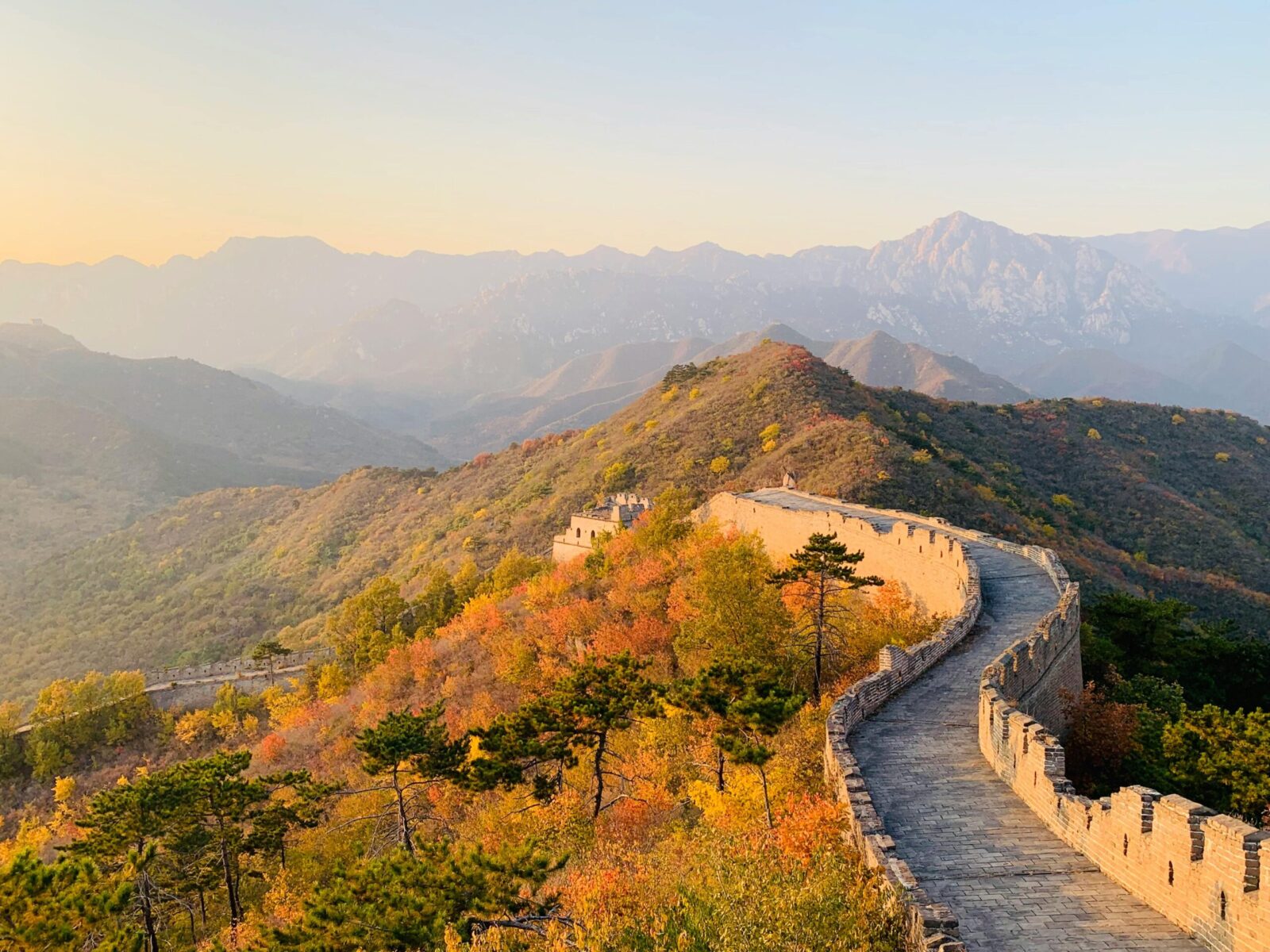
You’ve gazed at skylines in Shanghai and walked the Great Wall. Now push farther. Beyond the Great Wall, the real surprises in China live in misty tea forests, watchtower villages, and river valleys where time moves slower than the clouds. Rural China isn’t an afterthought, it’s a window into languages, cuisines, and landscapes that urban itineraries miss entirely. If you’re craving places where sunrises belong to farmers and fishermen, where phone bars drop but conversations bloom, this guide lays out what to expect, how to plan, and eight hidden gems that still feel untouched.
Why Rural China Belongs on Your Travel Map
Rural China is enormous, geographically and culturally. Slice the map and you’ll find hundreds of distinct communities, each with its own architecture, textiles, music, and farming rhythms. In Yunnan alone, you can cross paths with Yi, Hani, Bai, and Dai cultures before lunch. Xinjiang’s valleys tilt toward Kazakh and Tuvan traditions: Guizhou hums with Dong polyphonic choirs: Sichuan’s mountain corridors shelter Tibetan strongholds and stone watchtowers.
Beyond the Great Wall, the draw is texture: soot-stained tea-roasting sheds: timber-framed lanes where elders still weave: terraced fields tracing contour lines like calligraphy. You’re also rewarded with lighter crowds, authentic homestays, and conversations you’ll remember far longer than a queue at a major sight. Photography here is different too, think dawn fog, rapeseed seas, wooden drum towers, and fishing silhouettes instead of selfie sticks.
There’s a practical upside: your budget stretches. Rooms are cheaper, meals are farm-to-table without the marketing, and guides are often local specialists rather than generalists. If you’re deliberate about timing, permits, and connectivity, rural routes can be as smooth as big-city travel, and infinitely more memorable.
Planning Logistics For Off-The-Grid Travel
Entry, Permits, And Local Regulations
China’s entry rules have eased for many travelers. Short-stay visa-free access is on trial for select nationalities, 144-hour visa-free transit remains available in major hubs, and Hainan keeps a broader visa-free policy. Still, most travelers will need a visa, apply early and check the latest guidance through official consulates.
Some destinations require extra paperwork or sensitivity. The Tibet Autonomous Region needs a special permit through a registered agency: certain border zones in Xinjiang and along sensitive frontiers can have spot checks. Drones require registration and are restricted in many scenic or border areas: assume you’ll need explicit permission. Always carry your passport, hotels, trains, and checkpoints will ask for it.
Getting There: Trains, Regional Flights, And Road Transfers
China’s rail network is a gift to rural travelers. High-speed trains sling you across provinces quickly: slower “green” trains access small towns and offer more windows into daily life. Book via official rail apps or through reputable platforms: tickets open for sale roughly two weeks ahead and popular routes sell fast. Regional flights connect to prefectural airports like Xishuangbanna, Kanas/Altay (seasonal), or Enshi: from there, you’ll often switch to a van or private driver to reach villages and trailheads.
For remote valleys, factor in road time. Two hours on mountain switchbacks is normal, and weather can close passes. If hiring a driver, agree on price, route, and fuel in advance. In some places, shared minivans depart when full, not on fixed schedules, build in buffer time.
Staying Connected And Communicating
Coverage is surprisingly broad but not universal. Expect strong 4G/5G in county seats and spotty service in canyons. An eSIM or local SIM (passport required) is worth it. Many international apps and sites are blocked: plan for Chinese alternatives and offline tools. WeChat is ubiquitous for messaging and logistics, Baidu or Gaode (Amap) for navigation, and Pleco for on-the-fly dictionary help. Download offline maps and translation packs before you go.
Mobile payments dominate even in small towns, and you can now link major foreign cards to Alipay or WeChat Pay, hugely convenient for trains, snacks, and guesthouses. That said, carry some cash for village shops and homestays where QR codes haven’t fully arrived, and don’t count on finding an ATM in every valley.
Eight Untouched Hidden Gems
Jingmai Mountain Ancient Tea Forests, Yunnan
You’ll wander through living tea gardens that have been tended for centuries by Dai and Blang communities. Paths thread giant shade trees and mossy stones, with wooden villages perched above cloud lines. Base yourself in Mangjing or Nuogang for dawn walks and tastings with smallholders. Spring (March–May) is plucking season: autumn brings clear air and post-harvest calm. Skip the tour-bus factories, aim for family-run tea houses where you can watch hand-rolling and taste single-hamlet puer.
Hemu Village And Kanas Valley, Xinjiang
This is postcard alpine China: log cabins, larch forests, turquoise rivers, and Tuvan horse culture. In September and early October, golden larches set the hills ablaze: summer is lush and great for hiking. The area is strictly managed, expect park shuttles, designated photo decks, and variable permit checks. Stay overnight in Hemu to catch sunrise fog lifting off the river: it’s chilly even in summer, so pack layers.
Shaxi Ancient Market Town, Yunnan
On the old Tea Horse Road, Shaxi balances heritage with gentle tourism. The Sideng Square theater, old stone bridges, and Friday market pull you into Bai culture without the rush you’ll feel in bigger ancient towns. Rent a bike to explore pear orchards and village temples, or hike into Shibao Mountain’s grottoes. Evenings are lantern-lit and unhurried. It’s an easy add-on between Dali and Lijiang without feeling overrun.
Zhaoxing Dong Village And Terraced Valleys, Guizhou
Drum towers pierce the skyline, wooden wind-and-rain bridges cross clear streams, and polyphonic Dong singing drifts across rice paddies at dusk. Zhaoxing is the gateway: nearby Tang’an is quieter with terrace walks right from the village. Go at sunrise to watch farmers stepping into mirrored fields. Respect performance schedules, some are community events rather than staged shows, and consider hiring a local guide to translate songs and stories.
Wuyuan Huizhou Villages And Rapeseed Fields, Jiangxi
When rapeseed blooms (roughly mid-March to early April), Wuyuan’s valleys fill with yellow waves against white-walled, black-tiled Huizhou houses. It’s no secret to domestic photographers, but you can still find pockets of calm by staying in smaller villages like Jiangling or Likeng and walking out before the day-trippers arrive. Off-season, explore ancestral halls, clan academies, and camphor forests without the crowds.
Danba Tibetan Watchtower Villages, Sichuan
Stone towers rise like chess pieces above the Dadu River, guardians of ancient trade routes. Villages such as Jiaju, Zhonglu, and Suopo scatter across terraced apricot and pear groves that blush pink in spring and flame red in fall. Homestays are welcoming, with buttery yak tea and rooftop views that swallow hours. Roads can be narrow and landslide-prone after heavy rain: check conditions before committing to long drives.
Xiapu Mudflats And Fishing Weirs, Fujian
This coastline is a dream for patient photographers. Tides reveal silver mudflats etched with bamboo poles and arches of seaweed racks: tiny skiffs become calligraphy strokes at dawn. The best frames come from hill viewpoints around Beiqi, Dongbi, or Huazhu. Tide tables matter, shoot at low tide on a still morning, and carry a long lens. Xiapu town is basic but friendly, and seafood dinners are the happy ending to early wake-ups.
Enshi Grand Canyon And Tujia Villages, Hubei
Karst cliffs, skywalks, and emerald rivers carve a dramatic corridor through western Hubei. Trails cling to walls and duck into caves: suspension bridges deliver the views you came for. Pair the canyon with visits to Tujia stilt-house hamlets where you can try smoked meats, sour soups, and local tea. Summer brings lush greenery and thunderstorms: late spring and early autumn balance clear air with comfortable temps.
Responsible And Respectful Travel In Remote Communities
Photography, Privacy, And Sacred Spaces
Ask before photographing people, especially elders and children. Some ceremonies, altars, and ancestral halls are off-limits or photo-free, if in doubt, gesture a question or show your camera and wait for a nod. A smile and a quick “xiexie” go further than you think.
Support Local Economies And Traditions
Sleep in village guesthouses, book local guides, and buy crafts directly from makers. If you’re offered tea, taste it and, if you like it, purchase from that family instead of a souvenir superstore. Your yuan tells communities their heritage has value.
Leave-No-Trace In Fragile Landscapes
Stay on trails through terraces and tea forests: trampling edges damages crops and soil. Pack out everything, including fruit peels. Avoid loud music in quiet villages, and keep drones grounded unless you’ve confirmed permissions, livestock spook easily, and so do neighbors.
When To Go, Weather, And Costs
Seasonal Highlights By Region
Yunnan is generous year-round, with spring tea seasons in Jingmai and clear autumn trekking. Xinjiang’s Kanas peaks in late September for gold larch: summers are pleasant but busy. Wuyuan’s rapeseed bloom hits March–April: Danba pops with blossoms in April and foliage in October–November. Fujian’s Xiapu is about tides and light, aim for windless dawns outside typhoon season (May–Oct can be stormy). Guizhou’s terraces are mirror-like at transplanting (May–June) and emerald in July–August. Enshi is lush from May–September, crisper by October.
Typical Costs And Cash-First Realities
You can travel comfortably on a mid-range budget. Village guesthouses often run $25–80 per night: boutique inns in heritage towns may be $80–200. Simple meals are $3–10, with fresh fish or yak hotpots higher. Private drivers in remote areas commonly cost $80–150 per day depending on distance. High-speed rail is excellent value: a 500 km second-class seat often falls in the RMB 200–300 range. Mobile payments rule, but bring cash for homestays, small markets, and road snacks. ATMs thin out beyond county seats, so withdraw before you head into the hills.
Conclusion
If China is a library, most travelers read the same few chapters. Beyond the Great Wall, the margins are where the best footnotes live, tea leaves drying on bamboo trays, watchtowers catching last light, fishermen steering by tide and instinct. Plan with intention, travel with humility, and you’ll return with stories that don’t sound like anyone else’s. The map is wide open, pick a valley and go.
No responses yet