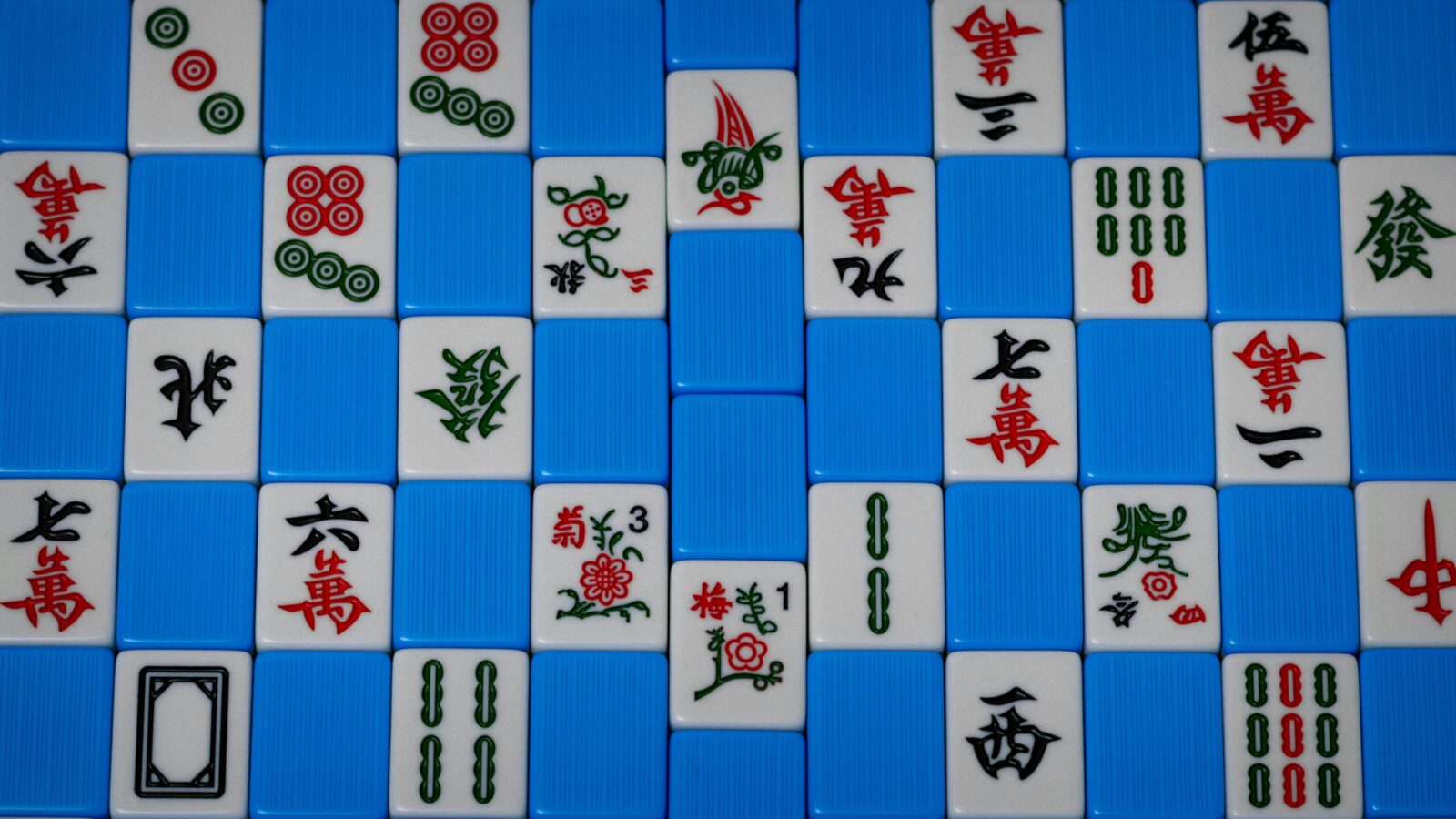
Baccarat might steal the spotlight, but it’s only one chapter in a much richer story. From clacking mahjong tiles to the quiet strategy of pai gow, traditional Chinese games have traveled from tea houses and social clubs to modern casino floors. If you’re curious about the rules, the vibe, and, crucially, where to play them legally, you’re in the right place. This guide takes you beyond baccarat, mapping the games you’ll see, the ones you’ll play for bragging rights only, and how to keep everything above board wherever you go.
Understanding Tradition And Legality
Traditional Chinese games sit at the intersection of culture, mathematics, and luck. Some began as leisurely pastimes and evolved into gambling formats: others stayed squarely social. Legality depends on jurisdiction and setting: a licensed casino in Macau is one thing: a cash home game in a prohibition state is another.
As a rule of thumb, you can assume the following until you verify locally: casinos and licensed gaming rooms are where real‑money play happens legally: cultural centers and social clubs focus on teaching, casual play, and tournaments without cash stakes: online platforms split between free‑to‑play apps and tightly regulated real‑money sites that verify your identity and location. Always check your local laws since penalties can be significant, even for “friendly” cash games.
Casino-Floor Staples From China
Mahjong Gambling Variants
Mahjong began as a four‑player rummy‑style tile game and later branched into gambling formats with regional scoring. On casino floors, you’re more likely to find house‑banked adaptations (like Sic Bo) than full four‑hand mahjong, but gambling mahjong thrives in licensed rooms in Hong Kong and Macau and in private clubs where allowed. The action revolves around building winning hands from 136 or 144 tiles, calling sets, and managing risk with discards.
If you’re stepping into a legal mahjong parlor, expect standardized sets such as Hong Kong Old Style, Hong Kong/Macau scoring, or Taiwanese 16‑tile rules. You’ll buy chips, the house may take a small fee per hand or hour, and etiquette matters, don’t expose tiles early, keep walls neat, and declare wins clearly.
Pai Gow And Pai Gow Poker
Pai gow (the tile game) uses 32 Chinese dominoes. You’ll create two hands, “high” and “low”, to compete against the banker. Reading pips and remembering ranked pairs takes a bit of study, but it’s wonderfully strategic once it clicks. In many Western casinos, you’ll also see pai gow poker, a card‑based cousin with seven cards split into a five‑card high hand and a two‑card low hand. Commission rules vary: some tables charge a 5% commission on banker wins: others use commission‑free rules with specific push adjustments.
You’re here for the pace and table camaraderie. It’s slower than blackjack, gives you time to think, and offers low volatility when you set hands correctly.
Sic Bo And Fan-Tan
Sic Bo is fast, loud, and pure dice. You bet on combinations and totals before three dice tumble under a dome. The board is a buffet of options: small/big, specific triples, totals, and pair bets. House edges swing dramatically, small/big is relatively modest: exotic combos can get pricey. If you want the quintessential high‑energy Chinese game on a casino floor, this is it.
Fan‑Tan is a classic counting game once ubiquitous in old Macau. Dealers separate a random pile of beads or buttons with a stick, counting off groups of four. You wager on the remainder (1–4) or related propositions. It’s rarer today but still appears in heritage‑minded casinos and special events.
Social Club Favorites (Usually Non-Gambling)
Xiangqi (Chinese Chess) And Weiqi (Go)
Xiangqi and weiqi rarely involve real‑money stakes in legal venues. You’ll find them in university clubs, cultural centers, parks, and tournaments. Both are pure strategy: xiangqi feels sharp and tactical with its river and palace rules: weiqi is about territory and long‑arc thinking. If you’re after competition without the gambling component, these are your go‑tos.
Big Two And Dou Dizhu
Big Two (a shedding game) and Dou Dizhu (landlord) are staples at gatherings across Chinese communities. They’re played for pride, snacks, and occasionally nominal stakes among friends, but in many jurisdictions, turning them into cash games is illegal outside licensed environments. Community centers frequently host free leagues and teach‑ins.
Chinese Dominoes And Other Tile/Card Classics
Beyond mahjong, Chinese dominoes power games like Tien Gow, while card favorites include Zheng Shangyou and various rummy‑style sets. In the West, you’ll often see them at festivals, language schools, and meetup groups. Treat them as cultural experiences first: if money changes hands, make sure you’re in a venue where that’s legal.
Where To Play Them Legally
Licensed Casinos And Resorts
If you want real‑money action with traditional Chinese games, licensed casinos are the safest path. In Macau’s integrated resorts, you’ll find Sic Bo and pai gow widely spread, occasionally fan‑tan, and dedicated mahjong rooms. Singapore’s Marina Bay Sands and Resorts World Sentosa deal Sic Bo and pai gow poker, with strict entry controls for locals and visitors. In North America, major casinos often host pai gow poker and Sic Bo: tile‑based pai gow appears in select properties with an Asian gaming pit.
Always check the property’s game list before you go. Rules, minimums, and commission structures vary by table and jurisdiction.
Cultural Centers, Clubs, And Tournaments
For non‑gambling play, mahjong leagues, xiangqi ladders, weiqi tournaments, look to Chinese cultural centers, university clubs, and community associations. These venues emphasize instruction, etiquette, and fair play. Some cities also license mahjong parlors specifically for tile games, charging table fees instead of raking pots. You’ll get authentic formats without legal gray areas.
Online Platforms: Real-Money Vs. Free-To-Play
Online, you have two lanes. Real‑money sites operate only where licensed and will require identity verification and geolocation. Expect regulated variants like pai gow poker and Sic Bo. Free‑to‑play platforms and mobile apps cover everything from Hong Kong mahjong to Dou Dizhu and xiangqi, with ladders, bots, and social rooms. If you’re playing for cash, confirm licensing in your country or state and look for responsible‑gaming tools like deposit limits and cooling‑off periods.
Regional Legality Snapshot
Mainland China, Macau, Hong Kong, And Taiwan
Mainland China bans most gambling. State lotteries are legal, but cash home games and underground rooms are illegal and carry real risk. Social mahjong without stakes is common culturally, yet adding money crosses the legal line.
Macau is the legal casino capital of the region. You can play Sic Bo, pai gow, pai gow poker, and sometimes fan‑tan in licensed casinos. The casino entry age is 21. Players generally don’t pay tax on winnings, but casinos face high gaming taxes.
Hong Kong permits regulated betting (like the Jockey Club) and licenses mahjong/tin‑kau parlors. Casinos remain illegal. Minimum age is typically 18 for licensed gambling activities: confirm at the venue.
Taiwan allows lotteries and has debated casinos for outlying islands via local referendums, but full casino play isn’t widely available. Private cash games can run afoul of law: seek club play without stakes.
Singapore And Southeast Asia
Singapore tightly regulates gambling. You can legally play Sic Bo and pai gow poker in the two integrated resorts. Locals face entry levies, and the minimum casino age is 21. Online remote gambling is restricted except for exempt operators.
Southeast Asia is mixed. The Philippines licenses casinos and some online operations: Vietnam has casinos that primarily target foreigners (limited local access via pilot programs): Cambodia has numerous casinos with evolving oversight: Malaysia’s Genting Highlands is the primary legal venue: Thailand generally bans casino gambling. Always verify current rules before planning a trip.
United States And Canada
In the US, casino gambling is state‑regulated. Pai gow poker is widespread: Sic Bo appears in select markets: fan‑tan is rare. Tribal casinos and commercial properties set their own spreads under state compacts. Minimum casino age is usually 21, though some tribal venues and states allow 18. Real‑money online play is legal only in certain states: geofencing and KYC are standard.
In Canada, provinces regulate casinos. The minimum age is commonly 19, with 18 in Alberta, Manitoba, and Quebec. You won’t typically find house‑banked mahjong, but pai gow poker is common. Casual home gambling laws vary by province: significant stakes or unlicensed organizing can be illegal.
UK, EU, And Oceania
The UK regulates gambling nationally via the UK Gambling Commission. Casinos can offer pai gow poker and Sic Bo: online operators must hold UKGC licenses. Minimum age is 18. Many EU countries permit casinos under national or regional licenses: availability of Chinese classics varies by market.
In Oceania, Australia’s casino age is 18 and large properties often spread Sic Bo and pai gow poker. New Zealand’s casino age is 20, with strong responsible‑gaming requirements. Online real‑money casino rules are stricter, check country‑specific guidance before depositing.
Etiquette, Limits, And Responsible Play
Table Etiquette And Tile Handling Basics
A little etiquette goes a long way. In mahjong, build tidy walls, keep your hand concealed, and don’t slam tiles. Announce calls and wins clearly, no angle‑shooting. In pai gow (tiles), handle dominoes within the layout, set hands promptly, and respect the house way if you’re unsure. Even in fast games like Sic Bo, wait for the betting window and don’t spray chips across late.
Stakes, Rakes, And House Rules
Legal venues make money transparently. Expect either a table fee (common in mahjong rooms) or a house edge/commission (pai gow and Sic Bo). Read the placard. In pai gow poker, commissions or push‑on‑banker tweaks change the math. In Sic Bo, stick to bets with reasonable edges, small/big and certain totals, until you understand the layout. If you’re at a licensed mahjong parlor, confirm scoring style, limit structure, and whether cash tips are allowed.
Age Requirements, Taxes, And Documentation
Bring valid ID, passport for international travel, government photo ID locally. Ages vary: 21 in Macau, Singapore, and most US casinos: 18 in the UK and Australia: 19 in many Canadian provinces (18 in some): 20 in New Zealand. For taxes, the US taxes gambling winnings and may issue forms for large hits: the UK generally doesn’t tax players: Canada typically doesn’t tax casual winnings: Singapore and Macau don’t tax player winnings, though rules can change. Keep your own records if you play regularly.
Set limits before you sit down: a session budget, a time stop, and a small list of your best bets. If a game stops being fun, step away. Licensed venues offer self‑exclusion and support resources, use them if you need to.
Conclusion
If baccarat is your gateway, these traditional Chinese games are the world beyond the door. Learn the rhythms, tile by tile in mahjong, pair by pair in pai gow, roll by roll in Sic Bo, and choose venues that keep you square with the law. When you play in licensed casinos, community clubs, and regulated online rooms, you get the best of both: cultural depth and clean compliance. Start with a format that matches your style, mind the house rules, and let the tradition, and the table chatter, do the rest.
No responses yet